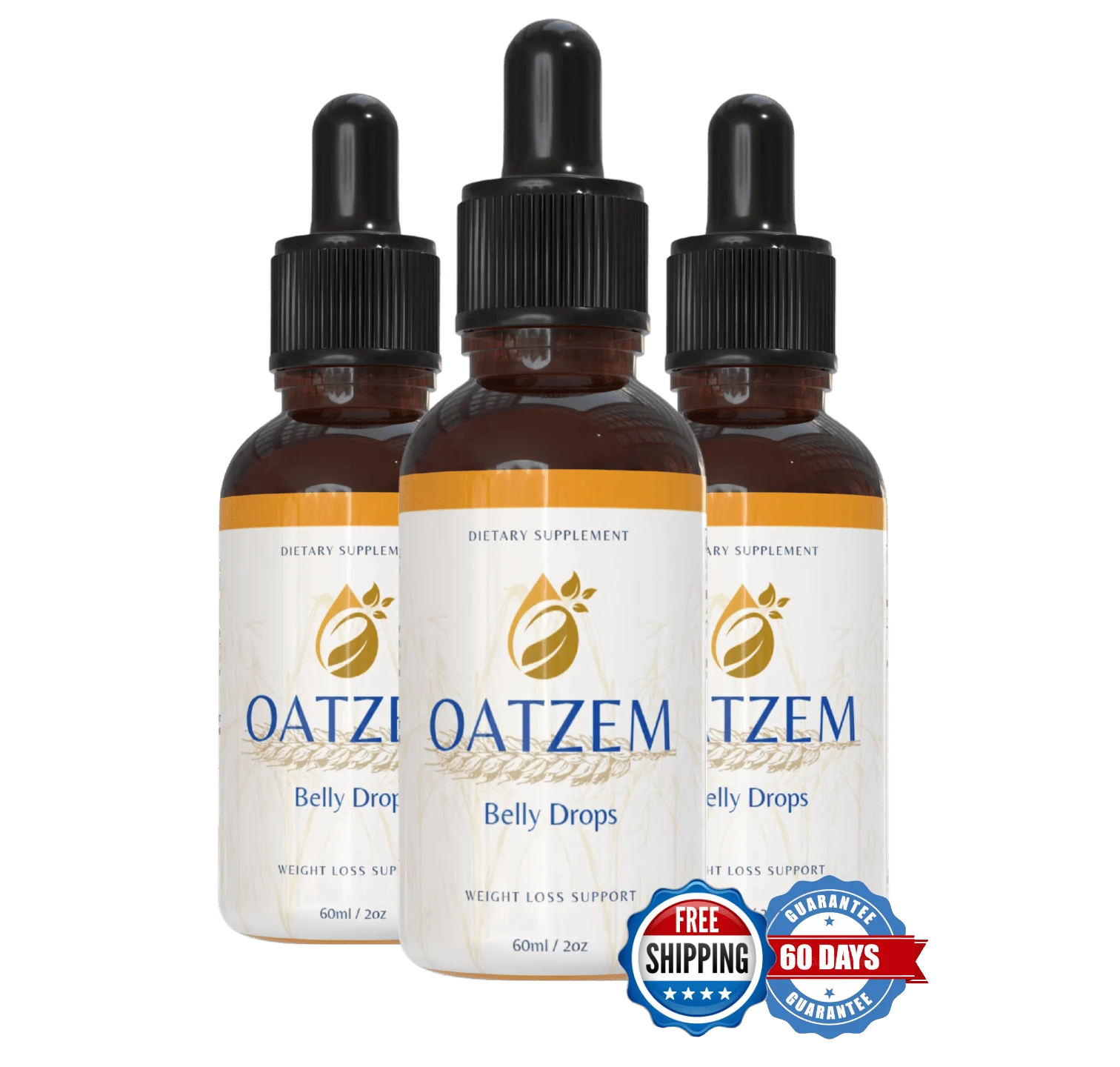
This is one of the most important sections to read carefully because online ingredient information is inconsistent.
One current label-focused review reports 17 mcg of chromium as chromium picolinate plus a 300 mg proprietary blend containing multiple botanical extracts and amino acids. The reported blend includes ingredients such as maca root, green coffee seed, guarana seed, African mango, eleuthero, astragalus, green tea, gymnema, chicory root, Ceylon cinnamon, grapefruit, Panax ginseng, raspberry ketones, L-glutamine, L-tyrosine, L-arginine, beta-alanine, GABA, L-ornithine, L-tryptophan, and L-carnitine.
Other websites promoting Oatzem describe a simpler formula centered around pure gelatin, green tea extract, turmeric, and berberine.
Because these descriptions conflict, the following ingredient discussion should be considered an overview of ingredients reported online, not a definitive substitute for the Supplement Facts panel on the bottle.
🥩 1. Pure Gelatin
Gelatin is a protein derived from collagen. Protein can contribute to satiety, meaning that consuming protein as part of meals may help some people feel satisfied for longer. Gelatin is also widely used as a food ingredient. However, simply consuming gelatin does not automatically cause body fat to disappear. Its potential value in a weight-management formula is more reasonably associated with nutritional and satiety support.
🍵 2. Green Tea Extract
Green tea extract is frequently used in metabolic and weight-management supplements. Green tea contains naturally occurring compounds known as catechins, including EGCG. Depending on the formulation and dose, green tea extracts may provide antioxidant compounds and may have modest effects related to energy metabolism. The amount of active compounds is important. A product containing green tea extract should not automatically be assumed to have the same properties as clinical research using standardized extracts.
🌿 3. Turmeric
Turmeric contains curcuminoids, with curcumin being the best-known compound. Turmeric is commonly used in traditional diets and wellness products. It is generally associated with antioxidant and inflammatory-response support. Oatzem marketing materials include turmeric as part of the formula described on some websites.
🌱 4. Berberine
Berberine is a naturally occurring compound found in several plants. It has attracted significant interest in nutrition and metabolic research, particularly concerning glucose and lipid metabolism. However, berberine can interact with medications and is not appropriate for everyone. Consumers should not interpret the presence of berberine in a supplement as meaning the product treats diabetes or replaces prescribed medication.
💎 5. Chromium
The label-focused 2026 review reports chromium in the form of chromium picolinate. Chromium is a trace mineral involved in normal macronutrient metabolism. It is frequently included in supplements marketed for blood sugar or metabolic support. Again, the presence of chromium does not mean that Oatzem is a diabetes treatment.
🧪 6. Other Botanical and Amino Acid Ingredients
One reported proprietary blend contains numerous plant extracts and amino acids, including maca, green coffee, guarana, African mango, eleuthero, astragalus, gymnema, cinnamon, ginseng, L-carnitine, L-tyrosine, L-arginine, GABA, and others. A proprietary blend can make it difficult for consumers to know exactly how much of each ingredient they are receiving. This is an important consideration when comparing supplements.